- Yosemite Falls
- Moaning Caverns Adventure Park
- Hetch Hetchy Valley
- Carlon Falls
- Shaver Lake
- Anderson Marsh State Park
- Carson Pass
- El Capitan
- Preston Castle
- Silver Lake
- Tuolumne River
- Best Wineries in the Shenandoah Valley of Amador
- Sierra Marina
- Mirror Lake
- Blues Festival
- Lake Thomas A. Edison
- Nevada Fall
- Winery in Amador County
- Stanislaus National Forest
- Clearlake
- Rancheria Falls
- Half Dome in Yosemite
- Sutter Creek
- California Gold Rush History
- Brassfield Estate Winery
- Sierra National Forest
- Tourist Attractions in CA
- Mount Konocti
- Tourist Attractions in Yosemite
- El Dorado National Forest
- Restaurants in Lake County
- Indian Grinding Rock State Historic Park
- Yosemite Waterfall Hikes
- Things to Do at Huntington Lake California
- Mariposa Grove of Giant Sequoias
- Kennedy Gold Mine
- Top Tourist Attractions in Northern California
- Museum of the Sierra
- Yosemite Mountain Sugar Pine Railroad
- Discover Yosemite National Park
- Wine Tasting in Northern California
- Yosemite National Park
- Weekend Trips in California
- Yosemite Weekend Getaway
- Bridal Veil Waterfalls
- Shaver Lake in Winter
- Weekend Getaways in California
- Things to Do in Lake County
- Romantic Getaways in Northern California
- Yosemite Trails Horseback Adventures
- Weekend in Yosemite
- Christmas in Yosemite
- Six Sigma Ranch & Winery
- Marshall Gold Discovery State Historic Park
Tourist Attractions in CA: The Ultimate Guide to California's Most Spectacular Destinations
No other state in America can do what California does. In the space of a single road trip, you can go from surfing a Pacific beach at sunrise to hiking through a forest of thousand-year-old trees. You can taste award-winning wine in sun-drenched valleys and watch granite peaks glow pink at dusk above a glacial lake.
California is a place that has everything, and the tourist attractions in CA reflect exactly that.

By the Numbers: Why California Draws Millions Every Year
- Around 900 miles Pacific coastline
- Two of the ten most-visited national parks in the United States: Yosemite and Joshua Tree
- Over 400 wineries in Napa Valley alone
- More than 280 state parks covering 1.5 million acres
- Approximately 18 million international visitors annually (Visit California, 2023)
First-time visitors and returning explorers alike will find that this guide covers the best tourist places in California by landscape, traveler type, and season.
The Pacific Coastline: California's Most Iconic Stage
No list of California tourist spot destinations starts anywhere other than the coast. From the crescent beaches of San Diego in the south to the fog-laced headlands of Mendocino in the north, the California coastline stretches across more than 900 miles of extraordinary variety.
Big Sur: The Drive that Changes You
Big Sur runs for 90 miles along Highway 1 between Carmel-by-the-Sea and San Simeon. Cliffs rise up to 1,000 feet above the Pacific. Ancient redwoods grow right to the edge. In winter, California condors circle overhead; in spring, gray whales pass just offshore.


3 Stops that are Worth Slowing Down
- Bixby Creek Bridge: The most photographed view on the California coast. Best at sunrise before traffic arrives.
- McWay Falls in Julia Pfeiffer Burns State Park: An 80-foot waterfall that drops directly onto a cove beach. A half-mile trail leads from the parking lot.
- Pfeiffer Beach: Famous for its purple-tinged sand, caused by manganese garnet minerals washed down from the cliffs above. Accessed via Sycamore Canyon Road.
Southern and Central Coast Highlights
- Santa Monica and Venice Beach: The Santa Monica Pier, the Ferris wheel above the Pacific, and Muscle Beach boardwalk deliver classic Southern California energy.
- Laguna Beach: Heisler Park offers sweeping Pacific views and tidal pools teeming with marine life.
- Santa Cruz: A historic boardwalk, strong surf breaks, whale watching, and easy access to the redwood parks of the Santa Cruz Mountains.
- Best For: Road trippers, honeymooners, photographers, sunset chasers, and families.
- Best Months: April through October for most of the coast. Big Sur is dramatic and worth visiting year-round.
- Photography Tip: Bixby Creek Bridge at sunrise, McWay Falls in early morning light, and the Santa Monica Pier at golden hour are three of the most rewarding shots in California.


Redwood Forests: The World's Tallest Living Things
California is home to two record-holding tree species. The coast redwoods are the tallest trees on Earth. The giant sequoias are the largest by volume. Both grow only in California, and standing beneath either one resets your sense of scale entirely.
Where to Find Them
- Redwood National and State Parks (Northern California, near Crescent City): Protects 45% of the world's remaining old-growth coast redwood forests. The Avenue of the Giants in Humboldt Redwoods State Park runs for 31 miles through cathedral-like groves. Fern Canyon, where 40-foot walls are blanketed in five-finger fern, is one of the most otherworldly places in California.
- Sequoia and Kings Canyon National Parks (Sierra Nevada): Home to the General Sherman Tree, the largest living tree on Earth by volume, at 52,508 cubic feet. Groves of sequoias here range up to 3,200 years old.
- Nelder Grove (Sierra National Forest): More than 100 mature giant sequoias accessible via the 1.3-mile Shadow of the Giants National Recreation Trail, about a 1.5-2-hour drive away. Far less visited than the national parks.
- Best For: Nature lovers, families, solo hikers, and photographers.
- Best Months: May through October. Coast redwoods can be visited comfortably year-round.
Shaver Lake: A Central Sierra Escape
Gateway to the High Sierra, Shaver Lake serves as an ideal stop point when exploring both northern and southern attractions. Surrounded by the Sierra National Forest, it offers boating, fishing, scenic trails, and sweeping mountain views in a quieter alpine setting.
Staying near Shaver Lake makes it easy to explore multiple regions while enjoying a relaxed lakeside pace. It works well as a base to experience the Sierra landscapes while remaining connected to both northern California highlights and southern mountain routes.
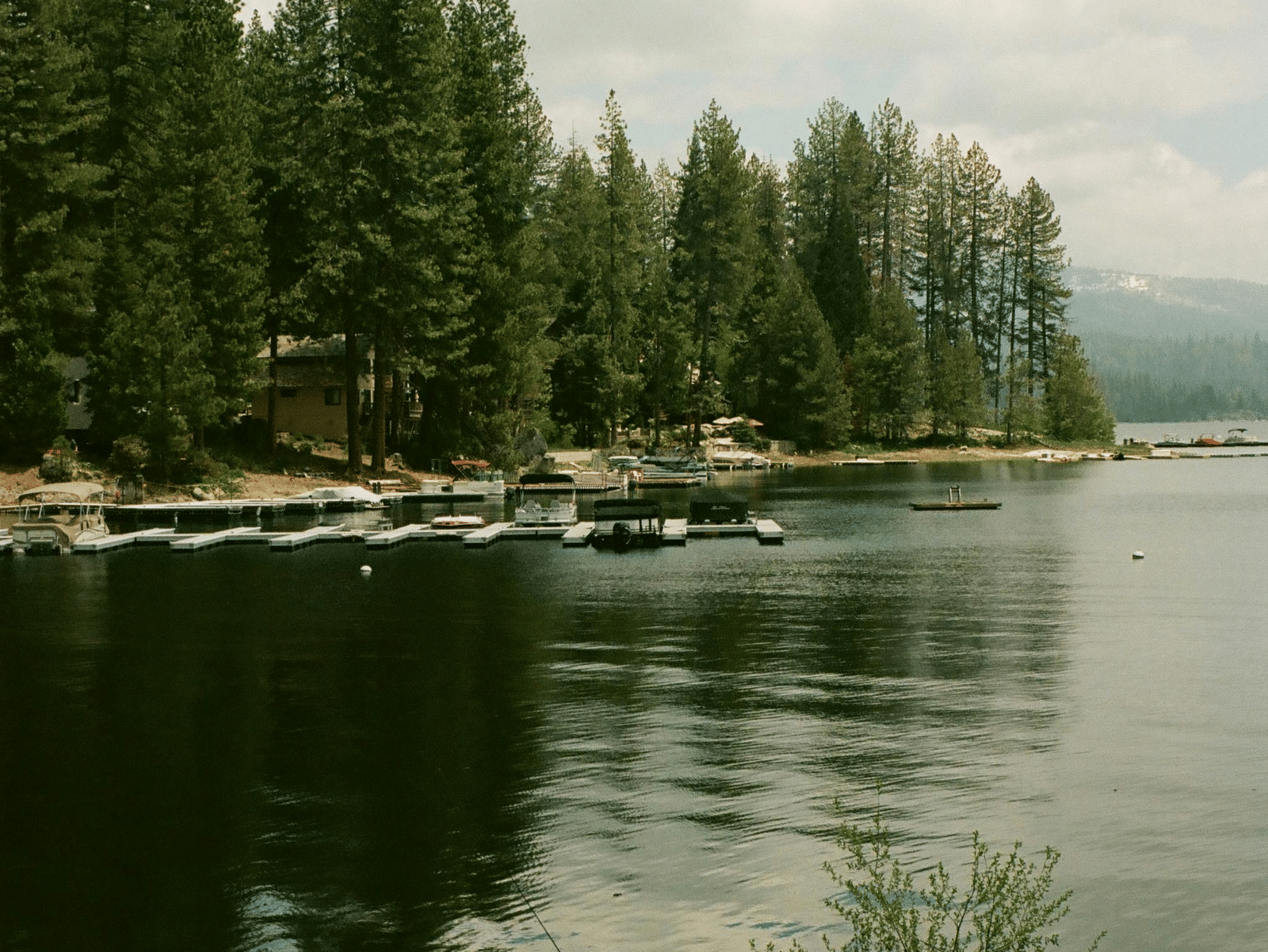

Lake Tahoe: Alpine Perfection on the California-Nevada Border
Lake Tahoe is North America's largest alpine lake, sitting at 6,225 feet above sea level on the California-Nevada border. Its water clarity is extraordinary, with visibility reaching 70 feet on good days. The lake is ringed by Sierra Nevada peaks that rise up to 10,000 feet above its surface.
Winter at Lake Tahoe
- Palisades Tahoe (formerly Squaw Valley): Site of the 1960 Winter Olympics. One of the largest ski resorts in North America.
- Heavenly Mountain Resort: Straddles the California-Nevada state line with views of both the lake and the Nevada desert.
- Northstar California: Known for groomed terrain and family-friendly skiing
- Best For: Families, adventure seekers, honeymooners, skiers, and water sports enthusiasts.
- Best Months: June through August for the lake. December through March for skiing.
- Photography Tip: Emerald Bay at sunrise is one of the most photographed views in California. Arrive before 7:00 a.m. on summer mornings to beat the crowds.
Summer at Lake Tahoe
- Boating, kayaking, paddleboarding, and wakeboarding are all popular on the lake
- Emerald Bay State Park: One of the most photographed views in California. Clear blue water, forested hillsides, and Vikingsholm, a historic mansion that can be toured in summer
- The Tahoe Rim Trail: A 165-mile loop around the entire lake, accessible in segments
- Sand Harbor State Park: Calm, clear-water beaches on the Nevada side, ideal for families


Wine Country: Napa Valley and Lake County
Napa Valley and Lake County represent 2 distinct expressions of California wine country. Napa sits northeast of San Francisco in the Coast Ranges, while Lake County lies further north, where volcanic soils from Mount Konocti and high-elevation vineyards create wines with distinctive mineral character.
Lake County
- Volcanic soils from Mount Konocti produce wines with distinctive mineral character; vineyards surround Clear Lake, California's largest natural freshwater lake
- Recommended Wineries: Boatique Winery, Six Sigma Ranch, Vigilance Vineyards, and Gregory Graham Winery, relaxed tasting rooms with far fewer crowds than Napa
- Best For: Couples, foodies, honeymooners, and cultural travelers.
- Best Months: May through June and September through November. Harvest season runs late August through October and brings special events and spectacular color across the vineyards.
Napa Valley
- More than 400 wineries, ranging from grand estate properties to small family-run operations
- The Napa Valley Wine Train: A three-hour round trip from Napa to St. Helena aboard a restored 1915 Pullman dining car
- Downtown Napa: Excellent restaurants, the Oxbow Public Market, and the CIA at Copia culinary center
- Best Base Towns: Yountville (Michelin-starred dining, walkable) and St. Helena (boutique shopping)


Essential Visitor Tips Before You Go
Getting Around: California is best explored by car. Distances between major destinations are significant, and rural areas have limited or no public transit. For national parks, arrive before 8:00 a.m. to secure trailhead parking. Download offline maps before entering areas with limited cell coverage, including most national parks and stretches of Highway 1.
National Park Entry
- The America the Beautiful Interagency Annual Pass costs $80, covers all national parks for 1 year, is more cost-effective than individual approximate $35 park fees, and is available as a convenient digital pass for international travellers
- Sequoia and Kings Canyon require a timed-entry reservation for the Generals Highway corridor during peak season
Best Travel Months
- Spring and fall offer the best combination of pleasant weather, accessible trails, and manageable crowds
- Summer is peak season everywhere. Book accommodations at least 2 to 3 months ahead for popular areas.
- Holiday weekends (Memorial Day, Fourth of July, Labor Day) see the heaviest traffic
What to Pack
- Layered clothing: California's microclimates vary dramatically over short distances. Coastal mornings can be 30 degrees Fahrenheit cooler than inland afternoons.
- Sunscreen and a wide-brim hat: UV intensity increases significantly at elevation
- A reusable water bottle and trail snacks for national park drives
- Sturdy footwear for hiking and tide pool exploration
- A light rain jacket for the coast and mountains
- A portable charger and offline maps: Cell service is unreliable in national parks and along Highway 1
Safety
- In national parks, store all food in bear boxes or canisters. Never leave food in your car in bear country.
- Coastal tide pools are protected. Look, but do not touch or collect anything.
- Check CAL FIRE and the California Department of Transportation websites for current wildfire conditions and road closures before entering forested areas, particularly in summer and fall.

Your Mountain Basecamp: Shaver Lake Village Hotel Part of Serenite Collection
California's mountains rarely get the same attention as its beaches, but those who know them well will tell you they are the real heart of the state. Shaver Lake sits in the Sierra Nevada at an altitude of approximately 5,600 feet, surrounded by Sierra National Forest, 50 miles east of Fresno along Highway 168. It is one of the most underrated tourist places in California, and it has a hotel to match.
Shaver Lake Village Hotel at Serenite Collection has been welcoming visitors since 1930. The 3-acre property offers four distinct ways to stay.
Hotel rooms: Modern amenities, mountain views, outdoor charcoal BBQs, fire pits, free Wi-Fi, and flat-screen TVs
- Cabins: Rustic options including the Log Cabin, Honeymoose Cabin, Cowboy Cabin, and Bear's Den, each with queen beds, kitchenettes, fireplaces, and private decks
- Suites: The Sierra House (a 2-bedroom apartment-style suite), the Fishing Suite, and the Ski Suite, each featuring full kitchens, fireplaces, and private decks
- Glamping: Bunkhouses and wall tents with queen beds, shared bathrooms, BBQs, and fire pits
Dogs are welcome. China Peak Mountain Resort is approximately 20 miles (30-40 minutes). Sequoia National Park and Sierra National Forest are just beyond the door. An outdoor amphitheater makes the property ideal for group events and family reunions.
Rooms | Local Attractions | Weddings | Contact Us
FAQs
1. What are the top tourist attractions in CA for first-time visitors?
Start with Yosemite National Park for sheer natural drama, San Francisco for urban culture and iconic landmarks, Big Sur for the coastal drive, and Napa Valley for food and wine. Between these four, you get a strong cross-section of what makes California a world-class destination. Sequoia National Park and Lake Tahoe are strong additions if time allows.
2. What is the best time of year to visit California tourist spots?
Spring (March through May) is best for waterfalls, wildflowers, and mild temperatures. Fall (September through November) offers the thinnest crowds at national parks, harvest season in wine country, and autumn color in the Sierra Nevada. Summer gives full access to all parks and beaches. Winter is best for skiing at Tahoe and Mammoth, and for visiting the Southern California deserts.
3. Do I need a car to see tourist places in California?
For most California tourist spot destinations, a car offers the most flexibility, especially for national parks, Big Sur, Napa Valley, Lake Tahoe, and the Sierra Nevada. However, Amtrak trains, regional buses, park shuttles, and guided tours also connect major cities to key attractions, making it possible to explore some areas without driving.
4. What are the best California tourist spots for families?
In Northern California, Yosemite's accessible valley trails, the California Academy of Sciences in San Francisco, and the Santa Cruz Beach Boardwalk are all excellent. For mountain families, Shaver Lake Village Hotel provides easy access to Shaver Lake activities.
5. Where should I stay when visiting the Sierra Nevada?
Shaver Lake Village Hotel at Serenite Collection in Shaver Lake is one of the most well-positioned bases in the Sierra Nevada region. Situated over 5,000 feet above sea level, 50 miles east of Fresno on Highway 168, it provides direct access to Shaver Lake, Sierra National Forest, China Peak Mountain Resort, and the drive south to Sequoia and Kings Canyon National Parks. Rooms, cabins, suites, and glamping options are available. Dogs are welcome.
Subscribe to Our Newsletter
Subscribe to unlock insider access, special promotions, and unforgettable retreats!
Continue your booking