- Yosemite Falls
- Moaning Caverns Adventure Park
- Hetch Hetchy Valley
- Carlon Falls
- Shaver Lake
- Anderson Marsh State Park
- Carson Pass
- El Capitan
- Preston Castle
- Silver Lake
- Tuolumne River
- Best Wineries in the Shenandoah Valley of Amador
- Sierra Marina
- Mirror Lake
- Blues Festival
- Lake Thomas A. Edison
- Nevada Fall
- Winery in Amador County
- Stanislaus National Forest
- Clearlake
- Rancheria Falls
- Half Dome in Yosemite
- Sutter Creek
- California Gold Rush History
- Brassfield Estate Winery
- Sierra National Forest
- Tourist Attractions in CA
- Mount Konocti
- Tourist Attractions in Yosemite
- El Dorado National Forest
- Restaurants in Lake County
- Indian Grinding Rock State Historic Park
- Yosemite Waterfall Hikes
- Things to Do at Huntington Lake California
- Mariposa Grove of Giant Sequoias
- Kennedy Gold Mine
- Top Tourist Attractions in Northern California
- Museum of the Sierra
- Yosemite Mountain Sugar Pine Railroad
- Discover Yosemite National Park
- Wine Tasting in Northern California
- Yosemite National Park
- Weekend Trips in California
- Yosemite Weekend Getaway
- Bridal Veil Waterfalls
- Shaver Lake in Winter
- Weekend Getaways in California
- Things to Do in Lake County
- Romantic Getaways in Northern California
- Yosemite Trails Horseback Adventures
- Weekend in Yosemite
- Christmas in Yosemite
- Six Sigma Ranch & Winery
- Marshall Gold Discovery State Historic Park
Groveland Yosemite Gateway Museum: A Journey Through Gold Rush History
The Groveland Yosemite Gateway Museum sits on Main Street in the heart of Groveland, California, approximately 45 minutes from the Big Oak Flat entrance to Yosemite National Park. For travelers passing through this former mining town, the museum offers a rare, unhurried look at how the 1849 Gold Rush shaped the Sierra Nevada foothills, long before Yosemite became a national park. Artifacts, photographs, and firsthand accounts trace the journey of prospectors, settlers, and indigenous communities through one of the most transformative periods in American history.
What makes this stop worth the detour is its specificity. Rather than retelling the broad strokes of westward expansion, the museum focuses on Tuolumne County, the miners who worked its rivers, and the town that grew around them. This guide covers what to expect inside, how to plan your visit, and why pairing the museum with a walk through Groveland gives you a fuller picture of California Gold Rush history than any roadside marker ever could.

What to Expect at the Groveland Yosemite Gateway Museum
The Groveland Yosemite Gateway Museum is a compact, volunteer-run space that prioritizes depth over size. Exhibits are organized chronologically, beginning with the Miwok people who inhabited the region for thousands of years before European contact. Display cases hold arrowheads, grinding stones, and woven baskets that speak to a way of life built around the Tuolumne River and its surrounding oak woodlands.
The Gold Rush section forms the core of the collection. Mining pans, pickaxes, ore samples, and personal letters from prospectors line the walls. Several black-and-white photographs show Groveland during its boomtown years, when saloons outnumbered homes and fortunes were made and lost within a single season. One standout exhibit recreates a miner's camp, complete with period-accurate tools and a scale model of a sluice box.
Later sections cover Groveland's evolution from mining outpost to timber town, and eventually to a gateway community for Yosemite tourism. The timeline ends with the construction of the Hetch Hetchy Dam and its lasting impact on the region's water, economy, and landscape.
The California Gold Rush and its Impact on the Region
The discovery of gold at Sutter's Mill in January 1848 sparked one of the largest mass migrations in modern history. Within 2 years, nearly 300,000 people arrived in California from across the United States, Latin America, Europe, and China, many heading to the Sierra Nevada foothills, where rivers carried gold flakes from mountain veins downstream.
Tuolumne County, where Groveland is located, quickly emerged as a major mining hub. The Tuolumne River and its tributaries drew thousands of miners to camps like Jacksonsville (later renamed Groveland), Big Oak Flat, and Chinese Camp. The boom transformed the region’s economy, supported California’s path to statehood in 1850, and helped shape towns and routes that remain part of the region today.

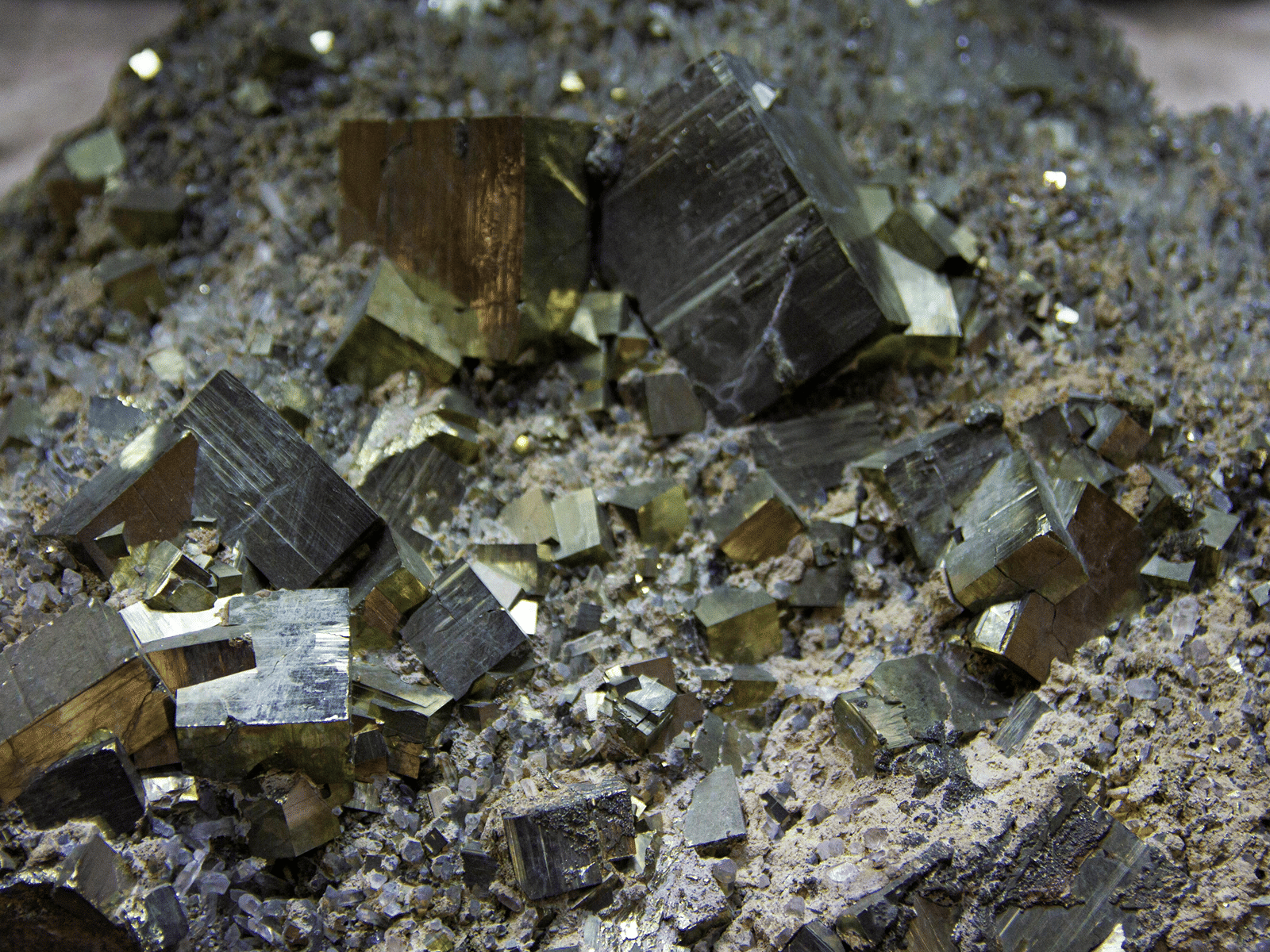
How the Museum Brings California Gold Rush History to Life
What sets this museum apart from a textbook summary is its focus on local stories tied to California Gold Rush history. Rather than covering the entire timeline, the exhibits highlight the miners who worked Garrote Creek, the families who remained after the gold declined, and the communities that helped Groveland adapt as its economy evolved. Donated heirlooms like handwritten journals, claim deeds, personal photographs, and original mining tools make these stories feel deeply personal rather than distant historical facts.
Volunteers staffing the museum are often longtime Groveland residents with their own family ties to the region’s mining past, and their commentary adds context that printed signage simply cannot. From pointing out hidden mine shafts outside town to sharing lesser-known stories about tensions between mining communities, they offer a perspective that makes the visit far more immersive.
Groveland: A Gold Rush Town with Lasting Charm
Groveland’s Main Street still feels frozen in the Gold Rush era. Iron Door Saloon, which claims to be the oldest continuously operating saloon in California, opened in 1852 and still preserves its original stone walls and wooden bar. Nearby, false-front buildings, hand-painted signs, and historic architecture reflect the town’s rugged beginnings.
Originally called Garrote due to violent mining disputes, the town was renamed Groveland in 1875 to attract settlers seeking a more stable community. Today, with a small population and a handful of local shops, galleries, and restaurants, the town remains one of the Sierra foothills’ most authentic Gold Rush destinations, largely untouched by heavy commercialisation, which makes a walk through its streets feel genuinely connected to the history explored at the museum.


Things to Do at the Museum and Around Groveland
A visit to the Groveland Yosemite Gateway Museum works best as part of a half-day spent exploring the town on foot. The museum tour itself takes about an hour, depending on how long you spend with the exhibits and volunteers.
- Iron Door Saloon: Step inside the oldest bar in California for a drink and a look at the dollar bills, animal mounts, and mining memorabilia covering the walls and ceiling.
- Groveland Community Hall: Originally built as a gathering space for the town's residents, this hall still hosts local events and offers a glimpse into small-town Sierra life.
- Mary Laveroni Community Park: A quiet park with picnic tables and shade trees, ideal for a midday break before heading toward Yosemite.
- Historic Cemetery Walk: The hillside cemetery above town features gravestones dating back to the 1850s, many with inscriptions that tell their own Gold Rush stories.
- Local Galleries and Shops: Several Main Street storefronts sell work by regional artists, handmade goods, and Yosemite-themed souvenirs.
Combining the museum with a walking tour of Groveland turns a quick stop into a genuinely immersive experience. The town is small enough to cover on foot in a couple of hours, and most points of interest sit within a few blocks of each other.


Visitor Information and Practical Tips
- Location: The museum is on Main Street in Groveland, approximately 45 minutes by car from Yosemite's Big Oak Flat entrance.
- Timings: Check the museum's posted hours before visiting, as schedules vary by season. Summer months typically offer the longest operating hours.
- Entry Fee: The museum is free to visit, though donations are encouraged to support ongoing preservation efforts.
- Best Time to Visit: Morning visits are ideal, especially during summer, when afternoon heat and Yosemite-bound traffic increase. Spring and fall offer cooler temperatures and smaller crowds.
- Parking: Free street parking is available along Main Street. Spaces fill up on holiday weekends, so arriving before 10:00 AM is recommended.
- Accessibility: The museum is a single-level space. Confirm wheelchair access directly with the museum if needed.
- Nearby Services: Restaurants, a gas station, and a small grocery store are all within walking distance on Main Street.
A Day in Groveland: Sample Itinerary
Groveland rewards travelers who slow down. Rather than treating it as a fuel stop on the way to Yosemite, spending a full morning or afternoon here reveals a town with genuine character. The following itinerary covers the highlights without feeling rushed.
- 9:00 AM - Museum Visit: Start at the Groveland Yosemite Gateway Museum while the exhibits are quiet and volunteers are available to share stories.
- 10:00 AM - Main Street Walk: Head north along Main Street to see the Iron Door Saloon, historic storefronts, and the old stone buildings that date to Groveland's mining days.
- 11:00 AM - Cemetery Walk: Climb the short trail to the hillside cemetery for a sobering look at gravestones from the 1850s and panoramic views of the surrounding foothills.


- 12:00 PM - Lunch in Town: Stop at one of Groveland's locally owned restaurants for a meal before the afternoon drive.
- 1:30 PM - Drive to Yosemite: Take Highway 120 east toward the Big Oak Flat entrance. The drive takes around 45 minutes and passes through pine forests and granite terrain that signal your arrival in the park.
This itinerary leaves the afternoon open for Yosemite exploration, whether that means a hike to Tuolumne Grove, a stop at the Valley View overlook, or a drive along Tioga Road if it is open for the season.
Stay at Serenite Collection: The Groveland Hotel
For travelers building a trip around the museum and Yosemite, Serenite Collection - The Groveland Hotel offers a base that matches the character of the town itself. Located on Main Street just steps from the museum, the historic property blends Gold Rush-era character with modern comforts, featuring details like original 1849 French doors in the Adobe Suite alongside contemporary conveniences.
Whether you're travelling as a couple or with family, the thoughtfully designed rooms at The Groveland Hotel make it easy to extend your experience of Groveland’s history long after your visit to the museum.

The Groveland Yosemite Gateway Museum gives travelers a reason to arrive in the Sierra foothills a few hours early. Its exhibits turn Groveland from a pass-through town into a destination with its own story, one rooted in the same Gold Rush forces that shaped much of modern California. Paired with a walk through town and a stay at a property that honors that same history, the museum transforms a Yosemite trip into something richer than a park visit alone.
FAQs
1. What is the Groveland Yosemite Gateway Museum?
The Groveland Yosemite Gateway Museum is a volunteer-run museum on Main Street in Groveland, California, featuring exhibits on the Gold Rush, Miwok heritage, and the town's history as a gateway to Yosemite National Park.
2. Is the Groveland Yosemite Gateway Museum free to visit?
The museum is generally free to visit, with donations accepted to support its preservation work. Confirm current admission details before your visit.
3. How far is the museum from Yosemite National Park?
The museum is approximately 45 minutes by car from Yosemite's Big Oak Flat entrance via Highway 120.
4. What can I learn about California Gold Rush history at the museum?
Exhibits cover the 1849 Gold Rush's impact on Tuolumne County, including mining tools, prospector journals, claim deeds, and photographs that document California Gold Rush history at a local level.
5. How long does a visit to the museum take?
Most visitors spend about an hour exploring the exhibits and speaking with the museum's volunteer staff.
6. What else is there to do in Groveland?
Groveland offers the Iron Door Saloon, a historic hillside cemetery, local galleries, and Mary Laveroni Community Park, all within walking distance of the museum on Main Street.
7. Where should I stay when visiting the Groveland Yosemite Gateway Museum?
The Groveland Hotel is located on Main Street, steps from the museum, with 8 room categories, including dog-friendly and family options.
Subscribe to Our Newsletter
Subscribe to unlock insider access, special promotions, and unforgettable retreats!
Continue your booking