- Yosemite Falls
- Moaning Caverns Adventure Park
- Hetch Hetchy Valley
- Carlon Falls
- Shaver Lake
- Anderson Marsh State Park
- Carson Pass
- El Capitan
- Preston Castle
- Silver Lake
- Tuolumne River
- Best Wineries in the Shenandoah Valley of Amador
- Sierra Marina
- Mirror Lake
- Blues Festival
- Lake Thomas A. Edison
- Nevada Fall
- Winery in Amador County
- Stanislaus National Forest
- Clearlake
- Rancheria Falls
- Half Dome in Yosemite
- Sutter Creek
- California Gold Rush History
- Brassfield Estate Winery
- Sierra National Forest
- Tourist Attractions in CA
- Mount Konocti
- Tourist Attractions in Yosemite
- El Dorado National Forest
- Restaurants in Lake County
- Indian Grinding Rock State Historic Park
- Yosemite Waterfall Hikes
- Things to Do at Huntington Lake California
- Mariposa Grove of Giant Sequoias
- Kennedy Gold Mine
- Top Tourist Attractions in Northern California
- Museum of the Sierra
- Yosemite Mountain Sugar Pine Railroad
- Discover Yosemite National Park
- Wine Tasting in Northern California
- Yosemite National Park
- Weekend Trips in California
- Yosemite Weekend Getaway
- Bridal Veil Waterfalls
- Shaver Lake in Winter
- Weekend Getaways in California
- Things to Do in Lake County
- Romantic Getaways in Northern California
- Yosemite Trails Horseback Adventures
- Weekend in Yosemite
- Christmas in Yosemite
- Six Sigma Ranch & Winery
- Marshall Gold Discovery State Historic Park
Yosemite Falls: Hiking Trails, Scenic Views & When to Visit
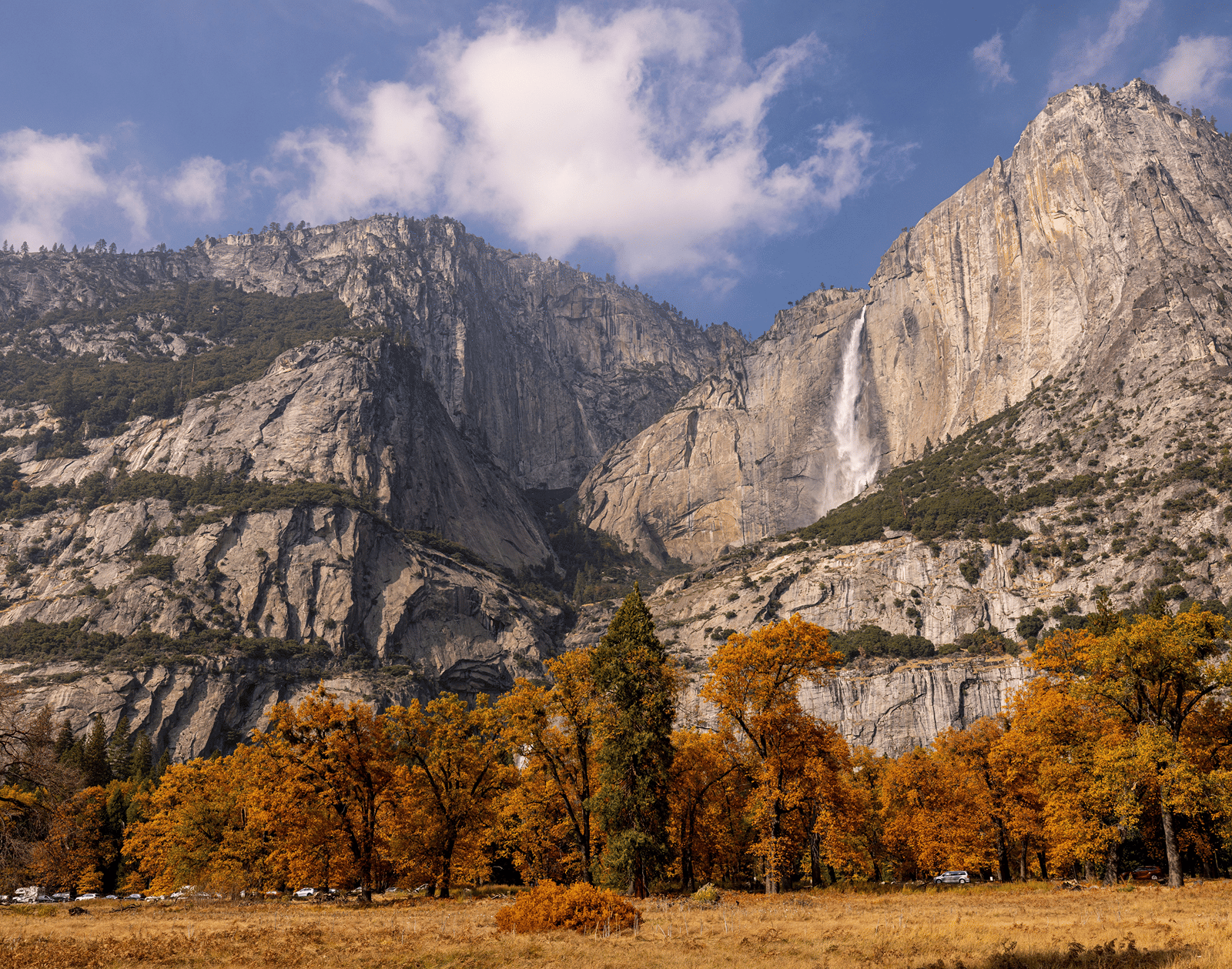
Yosemite Falls is one of the tallest and most iconic waterfalls in North America, dropping 2,425 ft. from Yosemite Valley's granite cliffs. Made up of 3 distinct sections, the waterfall creates a spectacular display during the peak snowmelt season and remains one of the most photographed landmarks in Yosemite National Park.
For nature lovers, photographers, and hikers, Yosemite Falls offers something for every kind of traveler. Visitors can enjoy views from the valley floor, take an easy walk to the base of the falls, or take on a challenging climb along the Upper Yosemite Falls Trail. Surrounded by towering granite walls and sweeping valley views, this remarkable waterfall is a must-visit Yosemite attraction.

What Makes Yosemite Falls So Unique?
Yosemite Falls is formed by Yosemite Creek and is made up of 3 separate sections. Together, these dramatic cascades create one of Yosemite's most recognizable natural landmarks.
The waterfall includes:
- Upper Yosemite Fall: 1,430 ft.
- Middle Cascades: 675 ft.
- Lower Yosemite Fall: 320 ft.
Together, these 3 sections drop a total of 2,425 ft., making Yosemite Falls one of the tallest waterfalls in North America. The Upper and Lower Falls are the most visible sections from many viewpoints in Yosemite Valley. The Middle Cascades flow through a narrow section of the landscape and are less visible from the valley floor.
A Landmark Shaped by Water & Granite
The scale of Yosemite Falls is made even more striking by the dramatic granite cliffs that surround it. From viewpoints across Yosemite Valley, the waterfall appears to descend directly from the towering walls above, creating a scene that has attracted visitors, artists, and photographers for generations. Its impressive height, powerful seasonal flow, and dramatic setting make Yosemite Falls one of the most photographed landmarks in the park.


How the Seasons Change the Waterfall
The flow of Yosemite Falls depends largely on snowmelt from the Sierra Nevada. The waterfall generally flows from around November through July, with peak flow typically occurring in May. During spring, the falls can be at their most powerful, with mist and spray reaching nearby viewing areas. By late summer, water levels may drop significantly, and Yosemite Falls can sometimes slow to a trickle or dry completely. This seasonal variation means that no 2 visits to Yosemite Falls are quite the same.
Yosemite Falls Hiking for Every Fitness Level
Yosemite Falls hiking can range from an easy, mostly flat walk to a strenuous all-day adventure. Choosing the right route depends on your fitness level, available time, and the type of experience you want.
- Lower Yosemite Fall Trail: This is a popular choice for visitors looking for an easier walk. This approximately 1-mile paved loop offers views of Yosemite Creek, Upper Yosemite Fall, and Lower Yosemite Fall. The eastern portion of the loop provides a wheelchair-accessible route to the Lower Yosemite Fall viewing area when it is free of snow and ice. During spring and early summer, visitors standing near the base may experience mist and spray from the powerful flow.
- Columbia Rock: It is a moderate, two-mile round-trip hike with approximately 1,000 feet of elevation gain. Allow two to three hours.
Located approximately 1 mile from the trailhead, Columbia Rock provides sweeping views across Yosemite Valley. It is an excellent turning point for visitors who want a more challenging hike than the Lower Yosemite Fall trail but do not wish to continue to the top.


Scenic Viewpoints & Hiking Preparation
Yosemite Falls can be viewed from several locations around Yosemite Valley, with each viewpoint offering a different perspective of the waterfall. Popular areas include Lower Yosemite Fall, Cook's Meadow, Yosemite Village, the Yosemite Valley Lodge area, and viewpoints along Yosemite Valley roads. For a wider view that captures more of the waterfall's dramatic height, Cook's Meadow and other open areas across the valley offer excellent perspectives.
If you plan to explore the trails, especially the Upper Yosemite Falls Trail, it is important to prepare well before setting out:
- Plenty of drinking water
- Salty snacks or other trail food
- Sun protection
- Sturdy footwear with good traction
- Layers suitable for changing conditions
- A map or reliable navigation tool
For a hike to the top of Yosemite Falls, the National Park Service recommends carrying 4 liters of water. There is no drinking water available along the trail, although a drinking fountain is available near the Camp 4 trailhead. Start early, particularly during summer, as the trail can become very hot by midday. Hikers should also stay on marked trails, avoid shortcutting switchbacks, and pay close attention to changing weather and trail conditions.
Upper Yosemite Falls Trail: A Challenging Climb
The Upper Yosemite Falls Trail is one of Yosemite's oldest, most demanding, and rewarding day hikes. Built between 1873 and 1877, the trail begins near the Camp 4 area and climbs steeply through switchbacks toward the top of Upper Yosemite Fall. As hikers gain elevation, the route reveals increasingly dramatic views of Yosemite Valley and the surrounding landscape. The trail is known for its steep switchbacks, rocky terrain, and exposed sections. It requires good fitness and careful pacing.


Distance, Difficulty & Views Along the Route
For hikers continuing to the top of Yosemite Falls, the trail covers 7.2 miles round trip, gains approximately 2,700 feet, and typically takes six to eight hours. Most hikers take 6 to 8 hours to complete this strenuous route, making it best suited to prepared hikers who are comfortable spending several hours on the trail.
Columbia Rock is one of the first major viewpoints along the Upper Yosemite Falls Trail, offering sweeping views of Yosemite Valley about 1 mile from the trailhead. As hikers continue upward, the trail provides closer views of Upper Yosemite Fall and expansive views across the valley. The higher sections also reveal the Merced River, surrounding meadows, Half Dome, and other Sierra peaks.
What to Expect at the Summit
Reaching the top of Yosemite Falls is a rewarding experience, but hikers should not swim or wade in Yosemite Creek above the waterfall and should stay on designated paths. From the top, hikers can enjoy dramatic views across Yosemite Valley. Those with additional time and energy can extend their hike to Yosemite Point, which adds approximately 1.6 miles round trip and offers impressive views of Half Dome and the surrounding peaks. The descent can be just as demanding as the climb, particularly on loose, rocky terrain. Take your time, watch your footing, and allow enough daylight to return safely.

Best Time to Visit Yosemite Falls
Every season offers a different Yosemite Falls experience. The best time to visit depends on whether you want to see powerful water flow, enjoy warmer hiking conditions, avoid larger crowds, or capture seasonal photographs.
- Spring: This is the best time to see Yosemite Falls at its most powerful. Snowmelt increases the flow, and May is typically the peak month for the waterfall. April through June can bring roaring water, dramatic mist, and powerful spray near the falls. However, trail conditions may still be challenging at higher elevations, so hikers should check current conditions before setting out.
- Summer: The season offers warm, dry hiking conditions, but water levels begin to decline as snowmelt decreases. Yosemite Falls often remains high into June, while levels can drop considerably by August. The Upper Yosemite Falls Trail can also become hot and exposed during summer. Starting early in the morning can help hikers avoid the strongest midday heat.
- Fall: It can bring fewer visitors and changing light across Yosemite Valley's granite landscape. However, Yosemite Falls may have very little water during this period and can sometimes be dry. It is still a rewarding time to enjoy the valley, especially for travelers who prefer cooler conditions and a quieter atmosphere.
- Winter: The season creates a different landscape around Yosemite Falls. Visitors may see an ice cone forming at the base of Upper Yosemite Fall, while snow and ice can transform the surrounding granite cliffs. The lower portion of the Yosemite Falls Trail may receive enough sunlight to remain snow-free at times, but the upper sections can become icy, slippery, or covered by snow. Winter hikers should check current trail conditions and carry appropriate traction equipment when necessary.
Photography & Nature Viewing Tips
Yosemite Falls offers excellent photography opportunities throughout the year, with the best conditions depending on the season, weather, and water flow. Early morning and late afternoon provide softer light, while open viewpoints around Yosemite Valley help capture the scale of the waterfall against its dramatic granite surroundings.
Cook's Meadow is a popular location for wider views, and different areas of the valley can offer striking compositions as the changing light falls across the cliffs. During periods of strong flow, mist can add atmosphere to photographs, although visitors should protect their cameras and other equipment from water spray when standing close to the falls.


Wildlife & Natural Landscapes
The Yosemite Falls area is surrounded by meadows, forests, granite cliffs, and the Merced River corridor, creating a scenic setting for nature viewing. Early morning and evening can be particularly rewarding, with opportunities to spot mule deer and a variety of bird species around Yosemite Valley. Black bears also live in the park, so visitors should always keep a safe distance and never approach wildlife. Stay at least 150 feet from bears and coyotes and at least 25 feet from other wildlife. Never approach or feed animals.
Stay Close to Yosemite at Our Hotel
After a day of exploring Yosemite Valley or taking on the Upper Yosemite Falls Trail, return to our hotel, Narrow Gauge Inn, in Fish Camp. Located approximately 4 miles from Yosemite's south entrance, our historic inn offers a peaceful mountain setting for travelers planning a Yosemite adventure. Our hotel features 26 cozy rooms with outdoor access to patio or balcony spaces, allowing guests to stay close to the surrounding natural landscape. Guests can also enjoy forest and mountain views, depending on the accommodation they choose.
For a comfortable stay after a day of Yosemite Falls hiking, explore our rooms and find an accommodation that suits your Yosemite getaway. Our seasonal pool, creekside trail, comfortable accommodations, and peaceful surroundings offer a relaxing contrast to a day of adventure in Yosemite National Park.

A visit to Yosemite Falls is one of the most memorable experiences in Yosemite National Park. From breathtaking waterfall views and scenic photography opportunities to rewarding Yosemite Falls hiking adventures along the Upper Yosemite Falls Trail, the destination offers something for every traveler. For those seeking a comfortable mountain retreat after a day of exploring, Narrow Gauge Inn offers a peaceful base near Yosemite's south entrance, making it easier to enjoy both adventure and relaxation during your Yosemite getaway.
FAQs
1. How tall is Yosemite Falls?
Yosemite Falls drops a total of 2,425 ft. across three sections: Upper Yosemite Fall, the Middle Cascades, and Lower Yosemite Fall.
2. How difficult is the Upper Yosemite Falls Trail?
The hike to the top of Yosemite Falls is 7.2 miles round trip, gains approximately 2,700 feet, and typically takes six to eight hours
3. What are the best viewpoints along the Upper Yosemite Falls Trail?
Columbia Rock is one of the first major viewpoints along the trail, offering sweeping views of Yosemite Valley. Higher sections provide closer views of Upper Yosemite Falls, the Merced River, surrounding meadows, Half Dome, and other Sierra peaks.
4. Is there an easier way to experience Yosemite Falls?
Yes, visitors can enjoy Yosemite Falls from several viewpoints around Yosemite Valley, including Lower Yosemite Fall, Cook's Meadow, Yosemite Village, and the Yosemite Valley Lodge area. These locations offer scenic views without taking on the strenuous Upper Yosemite Falls Trail.
5. What should I carry for Yosemite Falls hiking?
Carry plenty of drinking water, salty snacks or trail food, sun protection, sturdy footwear with good traction, layers for changing conditions, and a map or reliable navigation tool. For the hike to the top of Yosemite Falls, the National Park Service recommends carrying 4 liters of water.
6. When is the best time to visit Yosemite Falls?
Spring is generally the best time to see Yosemite Falls at its most powerful, as snowmelt increases the water flow. Summer offers warmer hiking conditions, while fall can bring fewer crowds and winter offers dramatic views of snow and ice.
7. When is the best time to photograph Yosemite Falls?
Early morning and late afternoon can provide softer light for photography. Cook's Meadow and other open viewpoints around Yosemite Valley are excellent for capturing the waterfall against its granite surroundings. During periods of strong flow, mist can also add atmosphere to photographs.
8. Can I stay near Yosemite Falls?
Narrow Gauge Inn is in Fish Camp, approximately four miles from Yosemite’s South Entrance. Yosemite Falls is farther inside the park in Yosemite Valley. Allow additional driving time, plus time for entrance queues and parking.
Subscribe to Our Newsletter
Subscribe to unlock insider access, special promotions, and unforgettable retreats!
Continue your booking