- Yosemite Falls
- Moaning Caverns Adventure Park
- Hetch Hetchy Valley
- Carlon Falls
- Shaver Lake
- Anderson Marsh State Park
- Carson Pass
- El Capitan
- Preston Castle
- Silver Lake
- Tuolumne River
- Best Wineries in the Shenandoah Valley of Amador
- Sierra Marina
- Mirror Lake
- Blues Festival
- Lake Thomas A. Edison
- Nevada Fall
- Winery in Amador County
- Stanislaus National Forest
- Clearlake
- Rancheria Falls
- Half Dome in Yosemite
- Sutter Creek
- California Gold Rush History
- Brassfield Estate Winery
- Sierra National Forest
- Tourist Attractions in CA
- Mount Konocti
- Tourist Attractions in Yosemite
- El Dorado National Forest
- Restaurants in Lake County
- Indian Grinding Rock State Historic Park
- Yosemite Waterfall Hikes
- Things to Do at Huntington Lake California
- Mariposa Grove of Giant Sequoias
- Kennedy Gold Mine
- Top Tourist Attractions in Northern California
- Museum of the Sierra
- Yosemite Mountain Sugar Pine Railroad
- Discover Yosemite National Park
- Wine Tasting in Northern California
- Yosemite National Park
- Weekend Trips in California
- Yosemite Weekend Getaway
- Bridal Veil Waterfalls
- Shaver Lake in Winter
- Weekend Getaways in California
- Things to Do in Lake County
- Romantic Getaways in Northern California
- Yosemite Trails Horseback Adventures
- Weekend in Yosemite
- Christmas in Yosemite
- Six Sigma Ranch & Winery
- Marshall Gold Discovery State Historic Park
Anderson Marsh State Park: Wetland Trails, Heron Rookeries, and a Ranch House
Anderson Marsh State Park brings together thousands of years of history and a thriving wetland landscape on the southeast shore of Clear Lake. Archaeological sites dating back as far as 14,000 years sit alongside freshwater marshes, oak woodland, grassland, five walking trails, and a historic ranch complex. Whether you are here for birdwatching, local history, or an easy walk through changing landscapes, the park offers plenty to explore. The experience shifts with the seasons, making the timing of your visit just as important as the trail you choose.

A 14,000-Year Indigenous History Along Clear Lake
Long before Anderson Marsh became a state historic park, this landscape was home to the Koi people, whose ancestral connection to the area stretches back at least 14,000 years. The Koi Nation is part of the broader Indigenous history of the Clear Lake region, and its connection to the area continues today. The marsh, waterways, and surrounding landscape provided an important setting for generations of community life, while the area's natural resources supported food gathering, travel, and cultural practices.
The story of Anderson Marsh also changed dramatically with European American settlement in the 19th century. The landscape eventually became associated with ranching, adding another layer to its history and shaping the property visitors see today. The result is a site where Indigenous heritage, later settlement, and the changing use of the land come together, offering visitors a chance to experience Clear Lake's history through the landscape itself.
24 Recorded Sites on the National Register
The presence of prehistoric Koi sites is what prompted California to acquire this land in 1982. The 24 recorded sites inside the park carry a listing on the National Register of Historic Places. That listing was registered on August 24, 1978, under the name Anderson Marsh Archeological District. The park holds a register listing, not the separate landmark designation that some California parks carry.
This protects buried material rather than anything built, so most of the evidence stays out of sight. Obsidian tools and worked ornaments place the site inside a trading network reaching to the coast. Archaeological value, not scenery, is what earned this quiet ground its place in federal records.
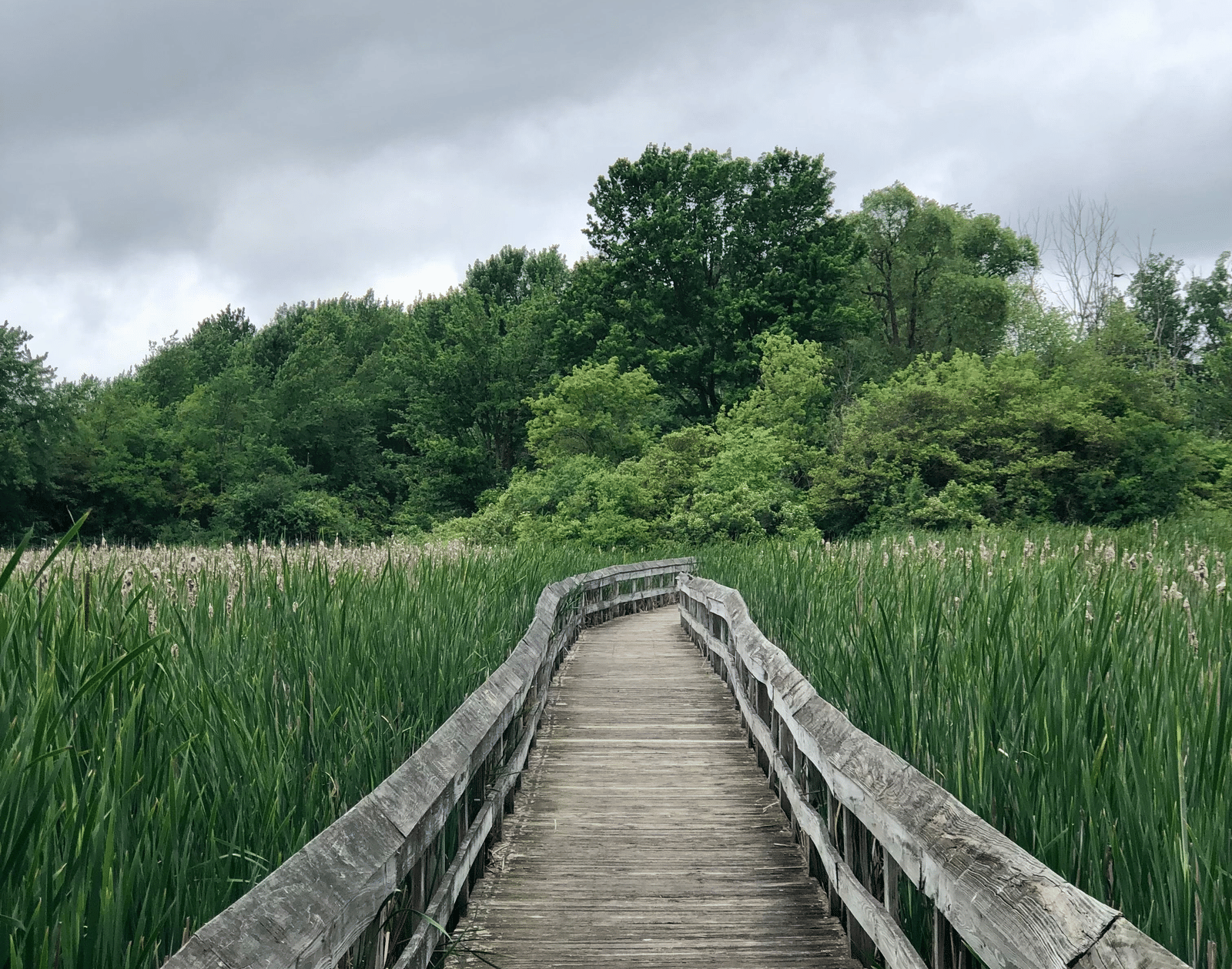

Inside the Ranch House and its 5 Outbuildings
When the state offered this land for sale in 1855, J.M. Grigsby and his brother had already settled nearby. The Grigsby brothers farmed the acreage and raised livestock on it for the next fifteen years. In 1870, Grigsby sold the entire property to the Clear Lake Water Works Company. Scottish immigrant John Still Anderson then bought 1,300 acres from that same company in 1885. Anderson, his wife Sarah, and their 6 children ran a dairy and grew hay, wheat, and barley. After Anderson died in 1912, 5 of his children took the ranch over and turned toward cattle. His daughter Mora stayed on under a private agreement until her death at the ranch in 1966.
The house went up in 3 wings, and each belongs to a clearly different period. Its central segment dates from the 1860s, the parlor from the 1880s, and the kitchen from the 1920s. Around it stand 5 small outbuildings, including 2 privies from the late 1800s and a garage from about 1930. The house is an example of 19th-century rural vernacular architecture, and its historic integrity survives largely intact.
4 Habitats Across 1,065 Acres
4 habitats share this park, and the wildlife on show depends entirely on which ground you walk. Of the 1,065 acres, 540 have been set aside as the Anderson Marsh Natural Preserve. That preserve saves the last 14% of a tule bulrush that once spread far wider around the lake.
- Freshwater Marsh: 2 zones, the first permanently underwater and the second flooding only by season, holding over half the remaining tule cover in Clear Lake
- Riparian Woodland: Cottonwoods, valley oaks, buckeye, and the rarely seen native black walnut lining Cache and Seigler Canyon creeks
- Oak Woodland: Blue on the steeper slopes of Lewis Ridge, valley lower down, with wildflowers through the understory in spring
- Grasslands: Non-native pepperweed, yellow starthistle, and Harding grass across open ground that dries as summer advances


Walking from the Marsh Edge to Lewis Ridge
5 trails cross the park, and each is a self-guided walk with no ticketed entry required. None of them demands technical footing, so the choice comes down to how long you want to be outdoors. Horses and bicycles stay off these routes, which keeps the ground quiet and the surface soft. The entrance sits off Highway 53, on the stretch between Lower Lake and the shore.
- Ridge Trail: Approximately 1 mile through blue oak, above the valley floor
- Cache Creek Nature Trail: A level walk of a little over a mile beside the water, crossing grassland and riparian cover
- Anderson Flats Trail: An easy stretch of just under a mile across grassland, among oaks and spring wildflowers
- Marsh Trail: About half a mile through oak cover, opening onto a wide panorama of the wetland
- McVicar Trail: The longest route at roughly 3 and a half miles, reaching the lake shore opposite Indian Island
Herons, Eagles, and the Birds of Each Season
The riparian strip supports a great blue heron rookery among the largest anywhere on Clear Lake. That single feature explains why photographers keep returning to the same short stretch of creek. State-endangered bald eagles winter here as well, feeding on fish and carrion left after spawning.
- On Open Water: Mallards, double-crested cormorants, terns, and several gull species foraging across the permanent zone
- Among Emergent Plants: Western and pied-billed grebes alongside cinnamon teal, American coot, and marsh wrens
- In the Riparian Cover: Red-shouldered hawks, great horned owls, wood ducks, golden eagles, and northern orioles nesting close together
- Over the Grasslands: Northern harriers, white-tailed kites, and American kestrels hunting rodents across drier open ground
Woodpeckers give the oaks their soundtrack, with Nuttall's, Lewis's, acorn, and pileated species all present. Black-tailed deer and hares share these slopes with western gray and California ground squirrels, at a calmer pace. The oak slopes and the water's edge reward different hours, so a single visit rarely covers both.


What a California State Historic Park Protects
A California State Historic Park exists to hold a cultural record in place, not merely to offer recreation. Here, that record runs from Koi obsidian trading through a settler dairy to a preserved ranch house. Park staff ask that every visitor leave any artifact exactly where they first come across it. That single request is what keeps the buried record usable for researchers and tribal descendants alike.
Interpretation here happens through people and their knowledge, rather than glass cases and printed panels. Volunteers lead nature walks on the second Saturday of most months, setting out at 8:30 AM. House tours, kayak trips, and seasonal events run when volunteer numbers allow, so call before arriving. Entry costs approximately $4.00 for each vehicle, and gates stay open from sunrise to sunset.
When to Visit Anderson Marsh State Park
The park carries the hot, dry summers and cool, wet winters of the Sacramento Valley. Each season shifts the birdlife, the trail surface, and the character of a morning outdoors.
- Spring: Wildflowers through the understory while resident birds settle into their nesting cover
- Summer: Early starts for the open trails, with receding water drawing seed-eaters onto dry ground
- Fall: Cooler air for the longer McVicar route, and color holding along the wetland edge
- Winter: Wet weather underfoot on the lower paths, so firm boots make the difference
Rattlesnakes live here and will leave you alone unless cornered, so stay on the cleared ground. Poison oak grows throughout the park and raises a rash even while dormant, so learn to spot it.


Rooms, Gardens, and a Historic Saloon in Upper Lake
Tallman Hotel stands in Upper Lake, roughly a forty-minute drive from the park by way of CA-29. Our historic auberge has taken in travelers since the 1890s, and a 2006 restoration returned its gold-rush character. The 17 guest rooms sit around gardens and a wraparound veranda, which suits a slow evening after walking.
Birders tend to book with us for the early start, since sunrise at the rookery means leaving in darkness. The Blue Wing Restaurant & Saloon operates on site, so dinner never needs a second drive out. Our own list of local adventures runs from birding and kayaking to antique hunting and wine tasting. A seasonal outdoor pool and free parking finish a base built for exploring this corner of Lake County.
Anderson Marsh State Historic Park offers more than a quiet walk beside Clear Lake. Its trails lead through wetlands, woodland, and historic landscapes where Indigenous heritage, archaeology, wildlife, and ranching history come together. Herons still rise from the marsh, while the ground beneath the trails preserves a human story stretching back thousands of years.
The experience changes with the season, giving birdwatchers, history enthusiasts, and hikers different reasons to return. A stay nearby, like ours in Upper Lake, makes it easy to start early, explore at your own pace, and see more of the landscape before the day gets busy.
FAQs
1. Where is Anderson Marsh State Park?
The park occupies the southeast corner of Clear Lake, with its entrance off Highway 53. Lower Lake is the closest town, and the park's 1,065 acres hold marsh, riparian woodland, oak, and grassland.
2. How much does it cost to enter Anderson Marsh State Historic Park?
Vehicle day use costs approximately $4.00, and the gates are open from sunrise to sunset. There is no ticketed entry for the trails themselves, and every route is walked self-guided.
3. How long are the walking trails?
The Marsh Trail is the shortest at about half a mile, while McVicar covers the longest ground of all 5 routes. McVicar reaches roughly 3 and a half miles, with Ridge, Cache Creek Nature, and Anderson Flats in between.
4. What birds can be seen at the marsh?
The riparian woodland holds a great blue heron rookery among the largest on Clear Lake. Bald eagles winter here, and grebes, mallards, harriers, and white-tailed kites use the other habitats.
5. Are there guided walks or ranch house tours?
Volunteers lead nature walks on the second Saturday of most months, starting at 8:30 AM. Ranch house tours and kayak trips depend on volunteer availability, so call the park before traveling.
6. Where should I stay when visiting the marsh near Clear Lake?
Upper Lake sits roughly a forty-minute drive north of the park and keeps you close to the water. Tallman Hotel is a historic 17-room property there, with gardens, a veranda, and a saloon on site.
Subscribe to Our Newsletter
Subscribe to unlock insider access, special promotions, and unforgettable retreats!
Continue your booking