- Yosemite Falls
- Moaning Caverns Adventure Park
- Hetch Hetchy Valley
- Carlon Falls
- Shaver Lake
- Anderson Marsh State Park
- Carson Pass
- El Capitan
- Preston Castle
- Silver Lake
- Tuolumne River
- Best Wineries in the Shenandoah Valley of Amador
- Sierra Marina
- Mirror Lake
- Blues Festival
- Lake Thomas A. Edison
- Nevada Fall
- Winery in Amador County
- Stanislaus National Forest
- Clearlake
- Rancheria Falls
- Half Dome in Yosemite
- Sutter Creek
- California Gold Rush History
- Brassfield Estate Winery
- Sierra National Forest
- Tourist Attractions in CA
- Mount Konocti
- Tourist Attractions in Yosemite
- El Dorado National Forest
- Restaurants in Lake County
- Indian Grinding Rock State Historic Park
- Yosemite Waterfall Hikes
- Things to Do at Huntington Lake California
- Mariposa Grove of Giant Sequoias
- Kennedy Gold Mine
- Top Tourist Attractions in Northern California
- Museum of the Sierra
- Yosemite Mountain Sugar Pine Railroad
- Discover Yosemite National Park
- Wine Tasting in Northern California
- Yosemite National Park
- Weekend Trips in California
- Yosemite Weekend Getaway
- Bridal Veil Waterfalls
- Shaver Lake in Winter
- Weekend Getaways in California
- Things to Do in Lake County
- Romantic Getaways in Northern California
- Yosemite Trails Horseback Adventures
- Weekend in Yosemite
- Christmas in Yosemite
- Six Sigma Ranch & Winery
- Marshall Gold Discovery State Historic Park
Marshall Gold Discovery State Historic Park: Where California's Gold Rush Began
Where was gold discovered in California? At Sutter's Mill in Coloma, where James W. Marshall found shining flecks of gold in the sawmill's tailrace on January 24, 1848. Today, that historic site is part of Marshall Gold Discovery State Historic Park, where visitors can walk through the landscape that helped set the California Gold Rush in motion.
The park is in Coloma, California, on Highway 49 between Placerville and Auburn. About 70% of the town lies within the park boundary, including historic buildings, the Gold Discovery Museum, the Marshall Monument, and the site of the original mill. From Kit Carson Lodge on Silver Lake, the drive takes about 1 hour 45 minutes each way, depending on road conditions, making this a full-day outing from the lodge.
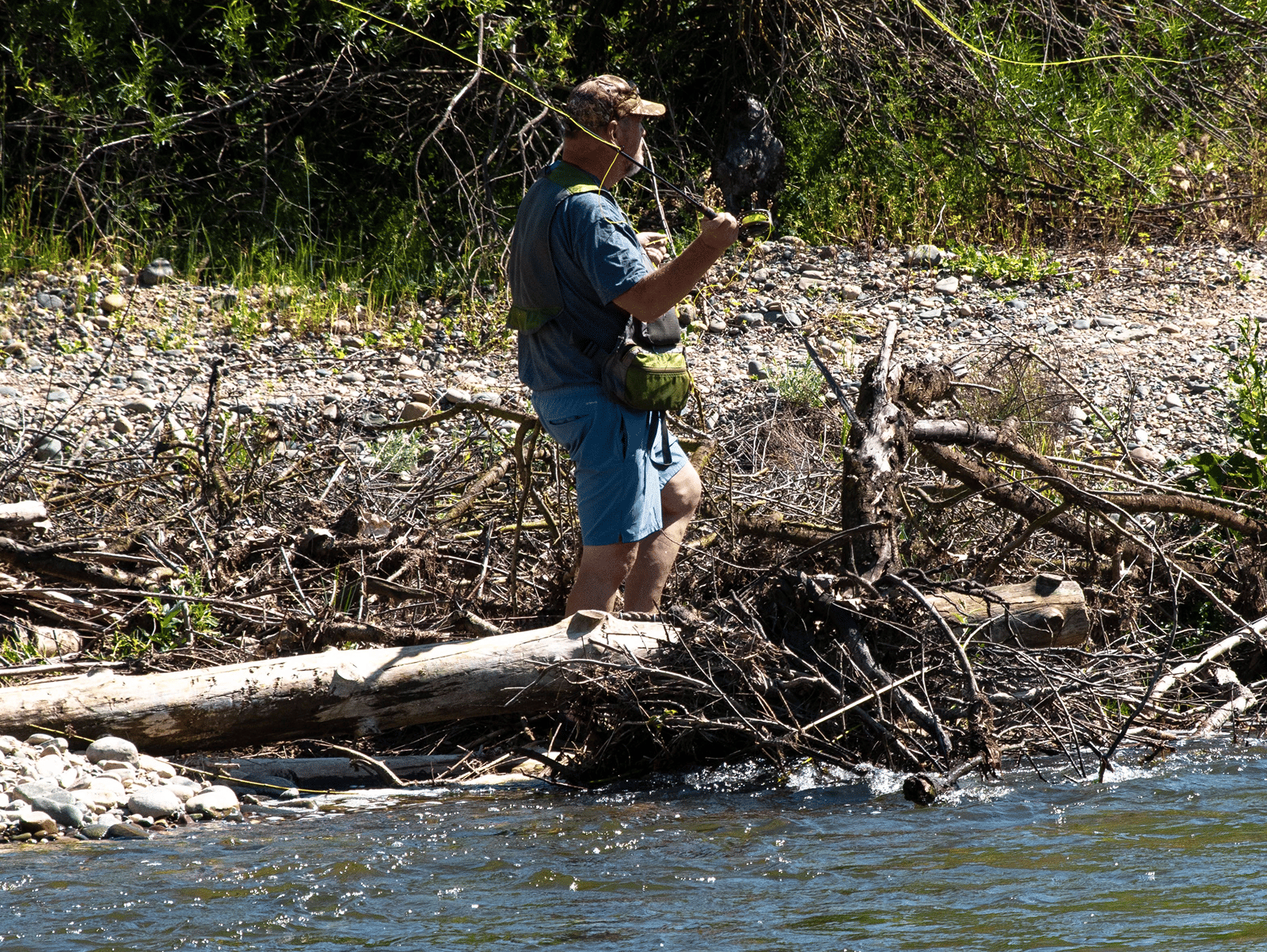
Where the Gold Rush Began: The Discovery Site
James Marshall discovered gold while working on a sawmill being built in partnership with John Sutter. On January 24, 1848, he spotted gold in the tailrace, the channel that carried water away from the mill. The discovery took place along the South Fork of the American River in a valley known to the Nisenan people as Cullumah, meaning ‘beautiful valley’. News of the find eventually spread far beyond Coloma, drawing fortune-seekers from around the world and setting off the California Gold Rush.
The original tailrace remains visible today, making the discovery site one of the park's most important historic features. California State Parks also continues to expand its interpretation of the site to include the histories of Native communities and other people whose lives were shaped by Coloma and the Gold Rush.
Sutter's Mill, Then and Now
The sawmill built by John Sutter and James Marshall did not remain in operation for long. It was no longer being used after 1850, and the 1862 flood destroyed what remained of the structure. Archaeological excavations later uncovered original mill timbers and the tailrace. The recovered timbers helped establish that the original sawmill measured about 60 feet long and 20 feet wide.
Today, visitors can see a replica of Sutter's Mill within the park. The reproduction was based on historical research, including James Marshall's drawings, photographs, and archaeological findings. The park's current map identifies the sawmill replica alongside the gold discovery site and recreational gold-panning area.
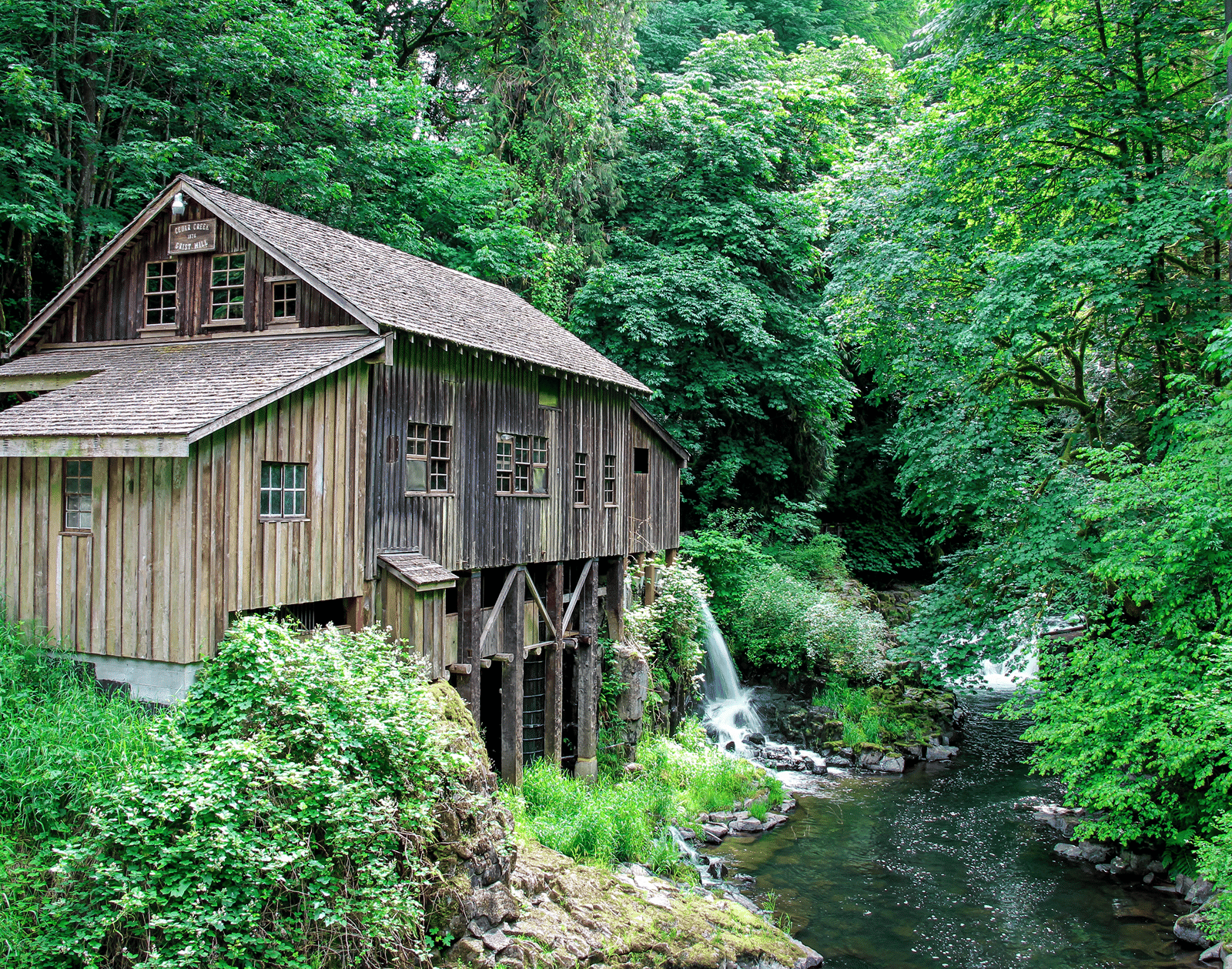
Coloma, California: A Town Built Around Gold Rush History
Coloma, California, sits in the Sierra foothills along Highway 49, about 8 miles north of Placerville and 18 miles south of Auburn. Sacramento is roughly an hour away by car. About 70% of the town is included within Marshall Gold Discovery State Historic Park, and around 200 people live in Coloma year-round.
The town remains closely connected to its Gold Rush past. Historic buildings, old streets, the American River, and preserved sites are woven into the park, so exploring Coloma feels less like visiting a single attraction and more like walking through a living historic district.
What to See at Marshall Gold Discovery State Historic Park
Start at the visitor center and the Gold Discovery Museum, where you can pick up a park map and learn about the discovery, early mining, Native American history, and the many communities that came to California during the Gold Rush. The park also preserves more than 20 historic buildings and structures connected to Coloma's past.
Here are some of the main places to include in your visit:
- Gold Discovery Museum: Gold Rush-era artifacts, mining equipment, exhibits on Native Americans, immigrant communities, and the area's agricultural history
- Sutter's Mill Replica: A reproduction of the sawmill where Marshall made his discovery, near the historic discovery site
- Blacksmith Shop: A preserved Gold Rush-era trade site with scheduled interpretive activities when available
- James Marshall's Cabin: The restored cabin associated with the man who discovered gold at Coloma
- James Marshall Monument: A monument overlooking the river and discovery site, with Marshall's grave beneath it
- Gold Rush-era Buildings: Historic structures and exhibits, including Chinese stores, a schoolhouse, churches, and other reminders of the community that developed around the Gold Rush


Gold Panning Coloma: Try Your Hand at Prospecting
For visitors who want more than a history lesson, gold panning Coloma-style offers a chance to try the same basic technique used by prospectors during the Gold Rush. California State Parks currently lists gold-panning lessons on most days. Each session begins with about 15 minutes of instruction, followed by roughly 30 minutes of panning at the troughs, where participants can look for garnets, fool's gold, and real gold flakes. Current listed lesson times are 10 AM, 11 AM, 1 PM, 2 PM, and 3 PM, subject to availability. Lessons are first come, first served for the public.
Panning can also be done recreationally along the American River in designated areas. Water conditions can change quickly, particularly after heavy rain or snowfall, so follow current park safety guidance and check conditions before entering or approaching the river. Because programs can be affected by weather, school groups, air quality, emergencies, and other conditions, call the Gold Discovery Museum at (530) 622-3470 before your visit to confirm availability.
Walk Through the Story on a Guided Tour
The Gold Discovery Tour adds context to the sites scattered around the park. The guided walking tour lasts about 45 minutes and covers the Coloma Valley before the discovery, the events surrounding Marshall's find, the California Gold Rush, and the town that developed afterwards. The current park information lists tours at 11 AM and 1 PM, weather permitting. Tours are not given when temperatures exceed 95°F and may also be unavailable on event days. The current listed cost is $3 for adults and $2 for children. Call ahead because schedules and availability can change.
If you have extra time, the park also has hiking trails. The Monument Loop is about 1.5 miles and climbs roughly 250 feet to the James Marshall Monument, while the Monroe Ridge Trail is about 2.3 miles and follows the ridge through forested terrain.
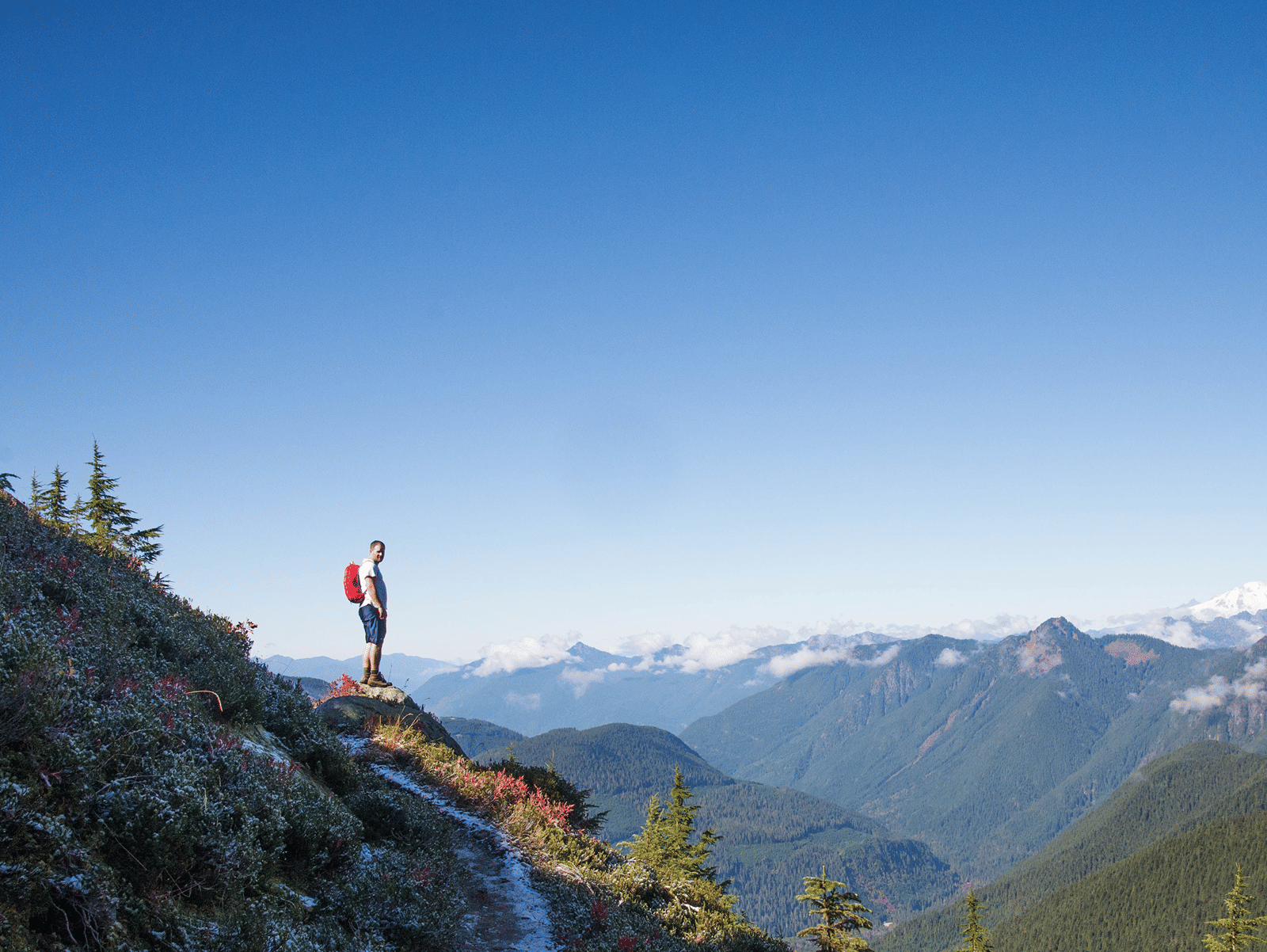
Things to Do in Coloma, California Beyond the Historic Sites
The history is the main draw, but there are several ways to spend more time around the river and foothills. Some things to do in Coloma, California include:
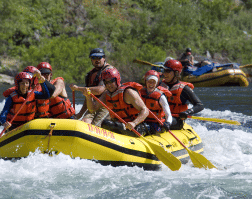
- Whitewater Rafting: Several rafting outfitters operate in the American River area
- Gam Saan Trail: A 2.5-mile trail connecting Henningsen Lotus Park in Lotus with Marshall Gold Discovery State Historic Park
- River Access & Picnicking: Picnic areas and riparian oak woodlands provide places to pause between historic sites
- Argonaut Coffee & Provisions: A cafe listed among the park's services for a break during your visit
- Historic Walking: Explore Coloma's streets, buildings, churches, and preserved Gold Rush-era sites on foot
The Gam Saan Trail also offers a connection to the history of Chinese miners and the broader communities that shaped Coloma during the Gold Rush.
Getting to Coloma from Silver Lake
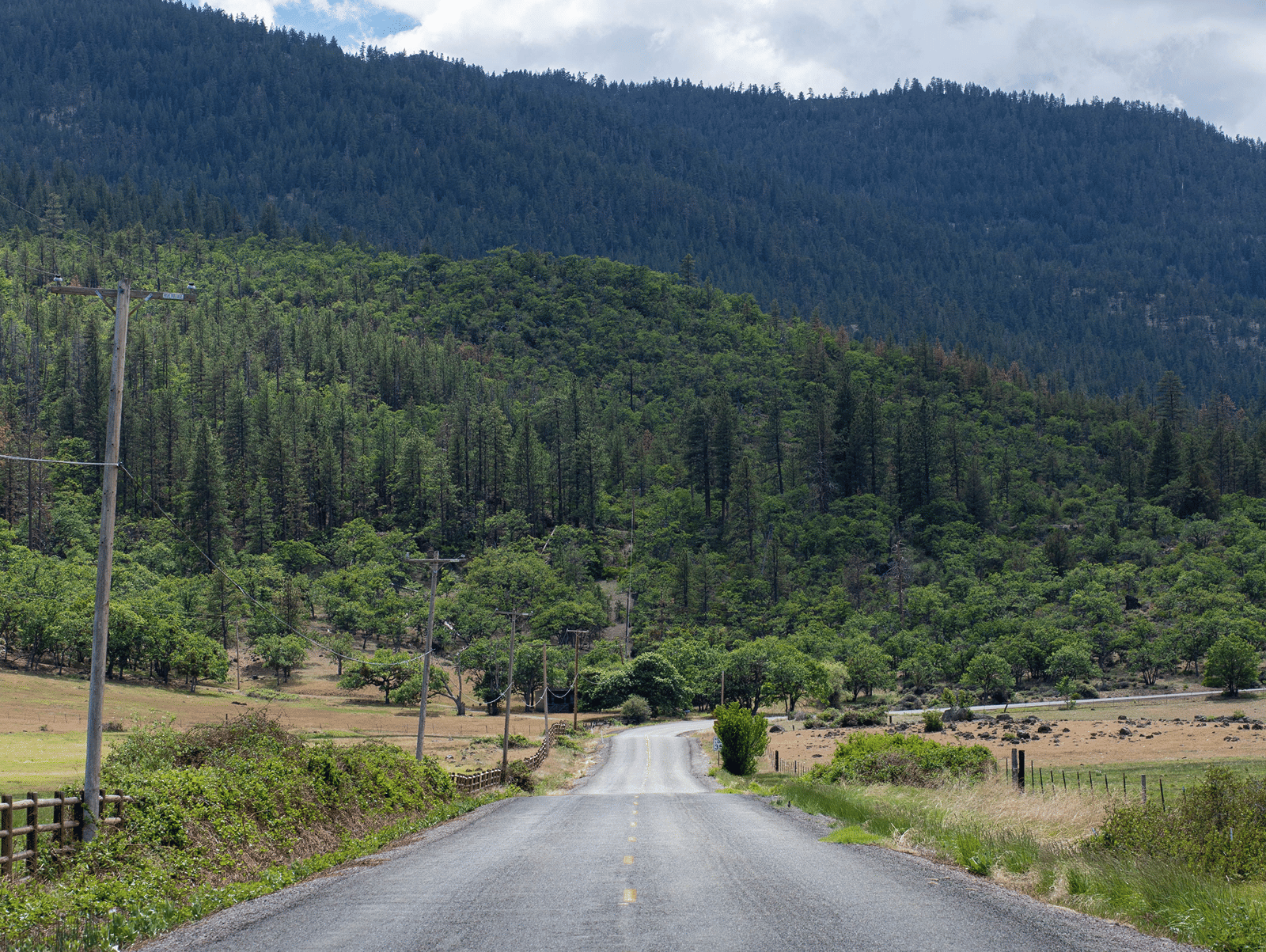
From Kit Carson Lodge, the route heads west along Highway 88 before connecting with Highway 49 toward Coloma. Plan for about 1 hour 45 minutes each way, with extra time possible depending on traffic, weather, and mountain road conditions.
A few practical points can make the day easier:
- Drive yourself: A private vehicle is the most practical way to make the trip from Silver Lake
- Start Early: An early departure gives you enough time for the museum, historic sites, a guided tour, and gold panning
- Check Road Conditions: Highway 88 crosses the Sierra, and conditions can change with the season
- Allow a Full Day: The drive itself takes several hours round trip, before adding time for exploring Coloma
- Check Park Programs before Leaving: Tour and panning availability can change with weather, events, school groups, and other conditions

Make it Part of a Gold Country Stay
A trip to Coloma works best as a day trip during a longer stay at Kit Carson Lodge. Our lodge sits on the north side of Silver Lake and has its own connection to the history of California's Gold Country. Built in 1926 along the Emigrant Trail, our 13-acre lodge was designed as a stop for travelers crossing the Sierra. The Emigrant Trail itself became part of the movement of people through the West during the era of the Gold Rush.
These 3-to-4-hour trips explore old trails and Gold Rush history, including the climb at Devil's Ladder. After a day on the road, return to Silver Lake and settle into one of our cabins, which accommodate 2 to 8 guests and include full kitchens. Our hotel rooms offer another option, with 8 rooms featuring outdoor decks overlooking Silver Lake.
Few places make California's Gold Rush feel as immediate as Coloma. You can stand beside the original tailrace, see the replica of Sutter's Mill, walk through historic streets, and try gold panning for yourself. From Silver Lake, it is a substantial day trip, but it fits naturally into a longer Gold Country stay. Pair a day at Marshall Gold Discovery State Historic Park with the Gold Rush experiences around Kit Carson Lodge, then return to the lake for a quieter evening among the Sierra landscape. For the latest tour, panning, fee, and road information, check with California State Parks before setting out. The park's programs and operating conditions can change with the season and weather.
FAQs
1. Where was gold first discovered in California?
Gold was discovered at Sutter's Mill in Coloma on January 24, 1848, when James W. Marshall found gold in the sawmill's tailrace. The site is now part of Marshall Gold Discovery State Historic Park.
2. Who was James Marshall?
James W. Marshall was the carpenter working with John Sutter to build a sawmill in Coloma when he discovered gold in its tailrace in 1848. His discovery triggered the California Gold Rush.
3. Can you still pan for gold at Coloma?
Yes, the park offers gold-panning lessons on most days, and recreational gold panning is also permitted in designated areas along the American River. Availability can change with weather and other conditions, so call the park before visiting.
4. Is Sutter's Mill the original building?
No, the original sawmill was no longer in use after 1850, and the 1862 flood destroyed what remained above ground. Visitors can see a replica of Sutter's Mill in the park, while the original tailrace remains visible at the discovery site.
5. How far is Marshall Gold Discovery State Historic Park from Silver Lake?
The drive from Kit Carson Lodge at Silver Lake takes about 1 hour 45 minutes each way, depending on road and traffic conditions. Plan for a full-day outing because the round trip takes several hours before adding time to explore the park.
6. How long do you need at the park?
Allow at least 2 to 3 hours for the museum, historic sites, walking, and one scheduled activity. You will need more time if you plan to take a guided tour, try gold panning, or explore the hiking trails.
7. Is there an entry or parking fee?
The current California State Parks information lists a $10 vehicle day-use fee. Special rates may apply at certain times, and fees can change, so confirm the current rate before your visit.
8. When is the best time of year to visit?
Late spring and fall can be comfortable times to explore the park, but conditions vary throughout the year. Summer temperatures can affect tours and gold-panning lessons, while winter and spring conditions can affect roads and river safety. Check the latest park information before traveling.
Subscribe to Our Newsletter
Subscribe to unlock insider access, special promotions, and unforgettable retreats!
Continue your booking