- Yosemite Falls
- Moaning Caverns Adventure Park
- Hetch Hetchy Valley
- Carlon Falls
- Shaver Lake
- Anderson Marsh State Park
- Carson Pass
- El Capitan
- Preston Castle
- Silver Lake
- Tuolumne River
- Best Wineries in the Shenandoah Valley of Amador
- Sierra Marina
- Mirror Lake
- Blues Festival
- Lake Thomas A. Edison
- Nevada Fall
- Winery in Amador County
- Stanislaus National Forest
- Clearlake
- Rancheria Falls
- Half Dome in Yosemite
- Sutter Creek
- California Gold Rush History
- Brassfield Estate Winery
- Sierra National Forest
- Tourist Attractions in CA
- Mount Konocti
- Tourist Attractions in Yosemite
- El Dorado National Forest
- Restaurants in Lake County
- Indian Grinding Rock State Historic Park
- Yosemite Waterfall Hikes
- Things to Do at Huntington Lake California
- Mariposa Grove of Giant Sequoias
- Kennedy Gold Mine
- Top Tourist Attractions in Northern California
- Museum of the Sierra
- Yosemite Mountain Sugar Pine Railroad
- Discover Yosemite National Park
- Wine Tasting in Northern California
- Yosemite National Park
- Weekend Trips in California
- Yosemite Weekend Getaway
- Bridal Veil Waterfalls
- Shaver Lake in Winter
- Weekend Getaways in California
- Things to Do in Lake County
- Romantic Getaways in Northern California
- Yosemite Trails Horseback Adventures
- Weekend in Yosemite
- Christmas in Yosemite
- Six Sigma Ranch & Winery
- Marshall Gold Discovery State Historic Park
El Capitan: A Visitor's Guide to Yosemite's Iconic Rock Formation
El Capitan does not ease you into Yosemite. Rising approximately 3,000 feet above Yosemite Valley, this immense granite monolith has challenged climbers for generations, with its sheer walls becoming one of the world’s most iconic climbing destinations. Warren Harding, Wayne Merry, and George Whitmore completed the first ascent of The Nose on November 12, 1958, after 47 days of climbing spread across multiple expeditions. Hikers can take on the demanding trail from the Yosemite Falls trailhead, covering 15.4 miles round trip with 3,800 feet of elevation gain.
From the geology that shaped this giant to its legendary climbing routes and the realities of hiking to the top, this guide takes you up El Capitan, one hard-earned step at a time.

The History and Significance of El Capitan
El Capitan is a massive rock formation composed primarily of granite, with contrasting rock types visible across its face. It formed from magma that cooled roughly 100 million years ago, while glacial activity later carved away the surrounding rock, leaving El Capitan's sheer face exposed above Yosemite Valley. Warren Harding, Wayne Merry, and George Whitmore made history on November 12, 1958, becoming the first climbers to complete The Nose. The route took 47 total days of climbing, spread across several separate expeditions.
That climb used siege tactics, with fixed ropes left in place across multiple separate trips up the face. Royal Robbins led a team up the same route, known as The Nose, in just 7 continuous days in 1960. That shift from siege climbing to a single continuous push changed how climbers approached the wall going forward. Alex Honnold made history in 2017, free soloing the Freerider route without ropes in under 4 hours.
El Capitan Climbing: Routes for Experienced Climbers
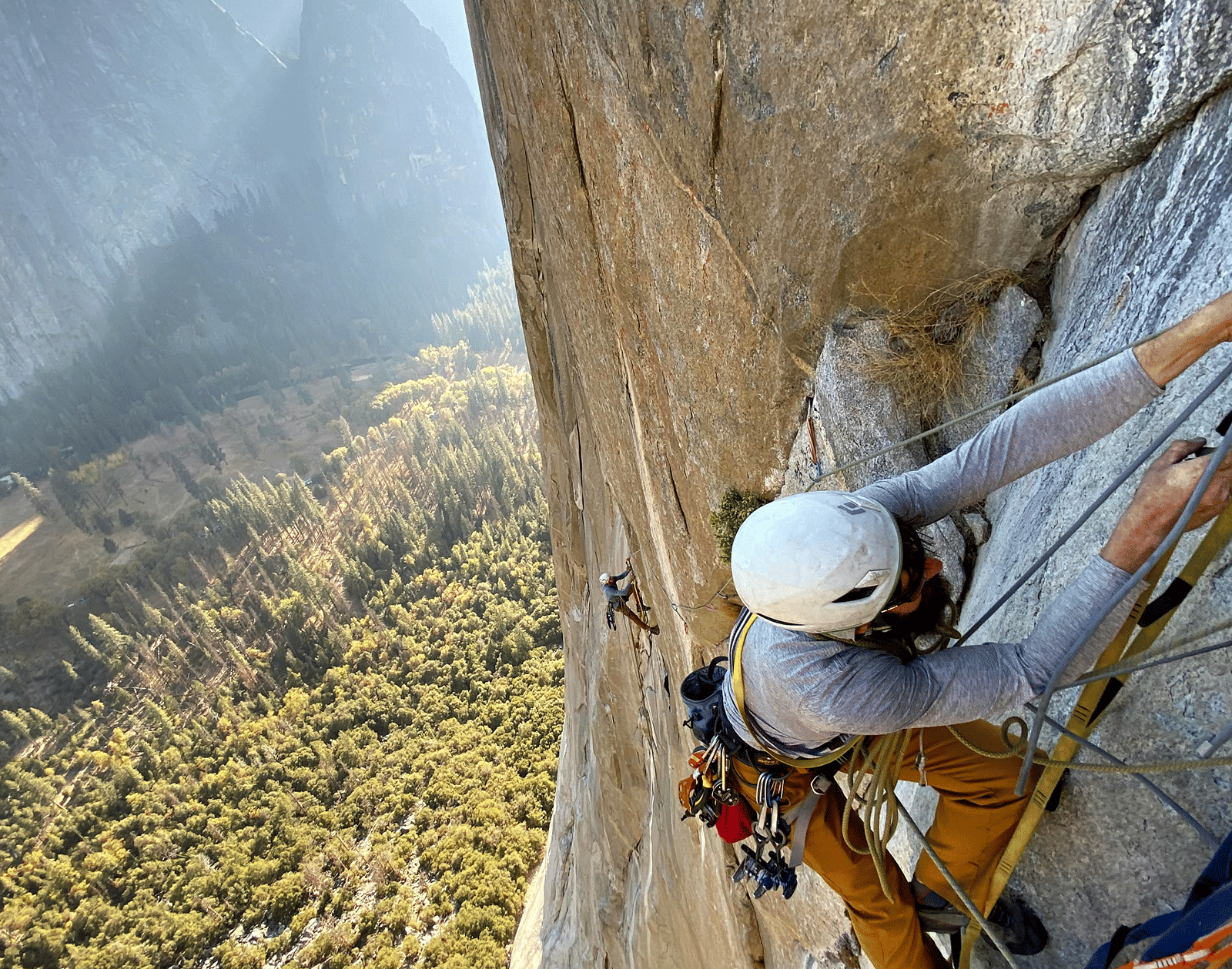
El Capitan’s big wall routes demand advanced climbing skills, careful preparation, and appropriate equipment. The Salathé Wall is one of El Capitan’s best-known routes, while the Dawn Wall is renowned for its demanding free-climbing sequences. The Dawn Wall waited until 2015 for its first free ascent, when Tommy Caldwell and Kevin Jorgeson spent 19 days climbing it.
Multi-day climbs remain common. Climbers may sleep on natural ledges or on portaledges suspended from secure anchors. Climbers on longer routes carry days of water, food, and gear up the wall itself. Retreating from a big wall can be complex and requires appropriate skills and equipment. Day climbs do not require a wilderness climbing permit. All overnight big wall climbs require a wilderness climbing permit, available through the National Park Service’s self-registration process.

Viewing El Capitan from Yosemite Valley
Most visitors experience El Capitan from the valley floor, without any climbing gear or technical skill required at all. El Capitan Meadow offers one of the clearest views, with the entire granite face visible from a short walk off the road. Climbers on the wall itself are often visible from the meadow through binoculars, especially during peak climbing season.
A shorter walk along a relatively level section of the Valley Loop Trail offers additional views. Bridalveil Fall sits a short drive from the same meadow, making it easy to combine both stops in a single morning.
Hiking to the Top of El Capitan
Reaching the actual summit is a different undertaking entirely. From the Yosemite Falls trailhead, the route covers 15.4 miles round trip with 3,800 feet of elevation gain. Allow approximately 8 to 12 hours for the round trip, depending on pace and trail conditions, making an early start essential.
While the nearby Half Dome hike requires a permit only when the cables are up, reaching the top of El Capitan requires an advance overnight permit (day hiking requires no permit). The trail is rated hard throughout, with steady elevation gain and long exposed stretches under direct summer sun. Plan water supplies for the full route, weather, and your individual needs. Confirm water availability before departure and carry suitable treatment equipment if relying on natural sources. Reaching the summit rewards hikers with panoramic views across Yosemite Valley, a perspective few climbers below ever see.


Photography and Wildlife Viewing Around El Capitan
El Capitan Meadow offers clear views for photography, especially at sunrise when the granite face turns gold. Sunset lighting works well too. A telephoto lens helps considerably for capturing climbers on the wall, since the face sits a considerable distance from the meadow itself.
Mule deer and black bears may be seen in the area, particularly during quieter periods. Wildflowers bloom across the meadow floor each spring, adding color to photos that otherwise focus on granite and sky. Arriving well before sunrise may improve your chances of finding parking, since parking can fill quickly during peak season weekends. Use designated trails and viewing areas to protect the meadow. Keep at least 150 feet from bears and at least 25 feet from other wildlife. Never feed or approach wildlife.
The Best Time to Visit El Capitan
The best time to plan a visit depends on trail conditions, weather, and how much exposure you are comfortable with. Each season brings a different experience to El Capitan:
- Spring: Strong waterfalls and cooler temperatures make this a scenic time for the long summit hike, though lingering snow or wet conditions can affect the trail.
- Summer: More reliable trail conditions make summer popular, but daytime heat can make exposed sections of the hike particularly demanding.
- Fall: Fewer crowds and comfortable hiking temperatures create favorable conditions, while changing foliage adds color to the surrounding forest.
- Winter: Snow and ice can make the summit route hazardous and unsuitable for ordinary hiking in winter. Check current conditions and closures before planning a trip.


A Mountain Base for Your Yosemite Visit
If El Capitan is on your Yosemite itinerary, Narrow Gauge Inn makes a practical base near the park’s southern entrance. At roughly 36 miles from El Capitan in Yosemite Valley, the drive takes about 1.5 hours under typical conditions. Allow additional time for entrance queues, traffic, weather, and parking, and plan it as a full-day adventure rather than a quick stop. After hours on the road and trail, returning to the inn’s rooms and suites offers a quieter end to the day. Selected mountain-view rooms offer views of Mt. Raymond and Lewis Creek Valley, offering a quieter end to the day.
Start early, and you can reach El Capitan Meadow before the busiest hours, giving you more time to take in the granite monolith and watch climbers on the wall. When you are ready to explore beyond El Capitan, the inn also puts other things to do within easier reach, making it possible to balance a big Yosemite outing with nearby experiences.
El Capitan remains one of the most recognizable rock formations on the planet, decades after its first ascent. Climbers still test themselves against routes first pioneered in the 1960s, while hikers take on a demanding trail to the same summit. Photographers gather in the meadow below for the same sunrise light that has drawn visitors for generations. A stay close enough to make the early drive worthwhile, like ours, turns a long day into a manageable one.
FAQs
1. How tall is El Capitan?
El Capitan rises approximately 3,000 feet above Yosemite Valley, making it one of the largest exposed granite monoliths on Earth.
2. Who made the first ascent of El Capitan?
Warren Harding, Wayne Merry, and George Whitmore achieved the first successful climb of The Nose on November 12, 1958. Getting there took 47 combined days on the wall, broken up across several different expeditions.
3. Is a permit required to climb El Capitan?
Day climbs do not require a wilderness climbing permit. The overnight big wall climbs require a wilderness climbing permit, which can be obtained through the National Park Service’s self-registration process.
4. How long is the hike to the top of El Capitan?
From the Yosemite Falls trailhead, the hike to the top of El Capitan covers 15.4 miles round trip with 3,800 feet of elevation gain. Allow approximately 8 to 12 hours for the round trip, depending on pace and trail conditions.
5. What is the best time of year to see El Capitan?
Summer offers the most reliable trail conditions, while fall brings fewer crowds and more comfortable hiking temperatures. Spring brings stronger waterfalls, while snow and ice can make the summit route hazardous in winter. Check current conditions and closures before planning a trip.
6. Where should I stay near El Capitan?
Narrow Gauge Inn sits near Yosemite's southern entrance, roughly 36 miles from El Capitan in Yosemite Valley. King Room - Mountain View and Queen Room - Mountain View offer mountain views, while other accommodations have different views.
Subscribe to Our Newsletter
Subscribe to unlock insider access, special promotions, and unforgettable retreats!
Continue your booking